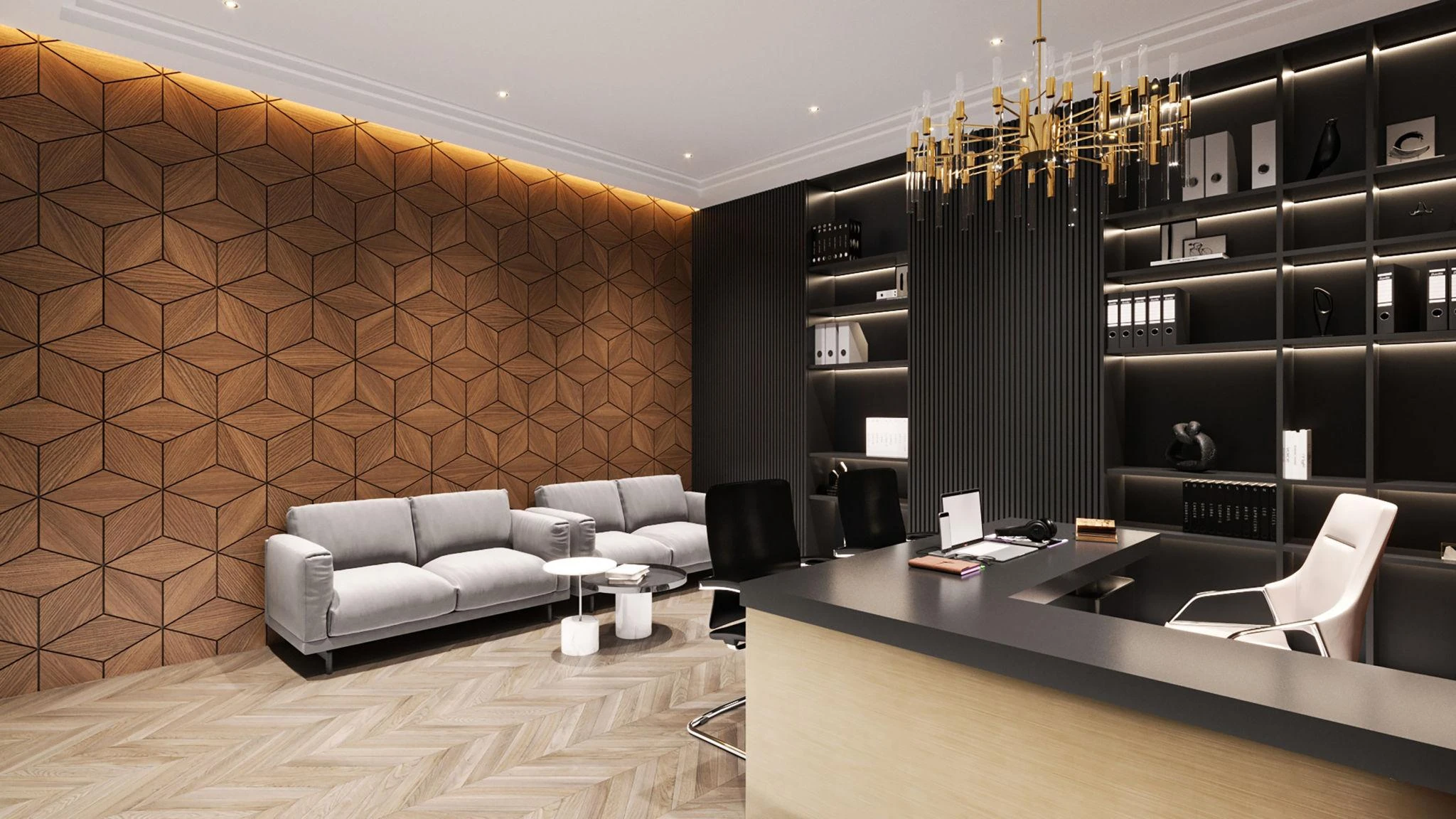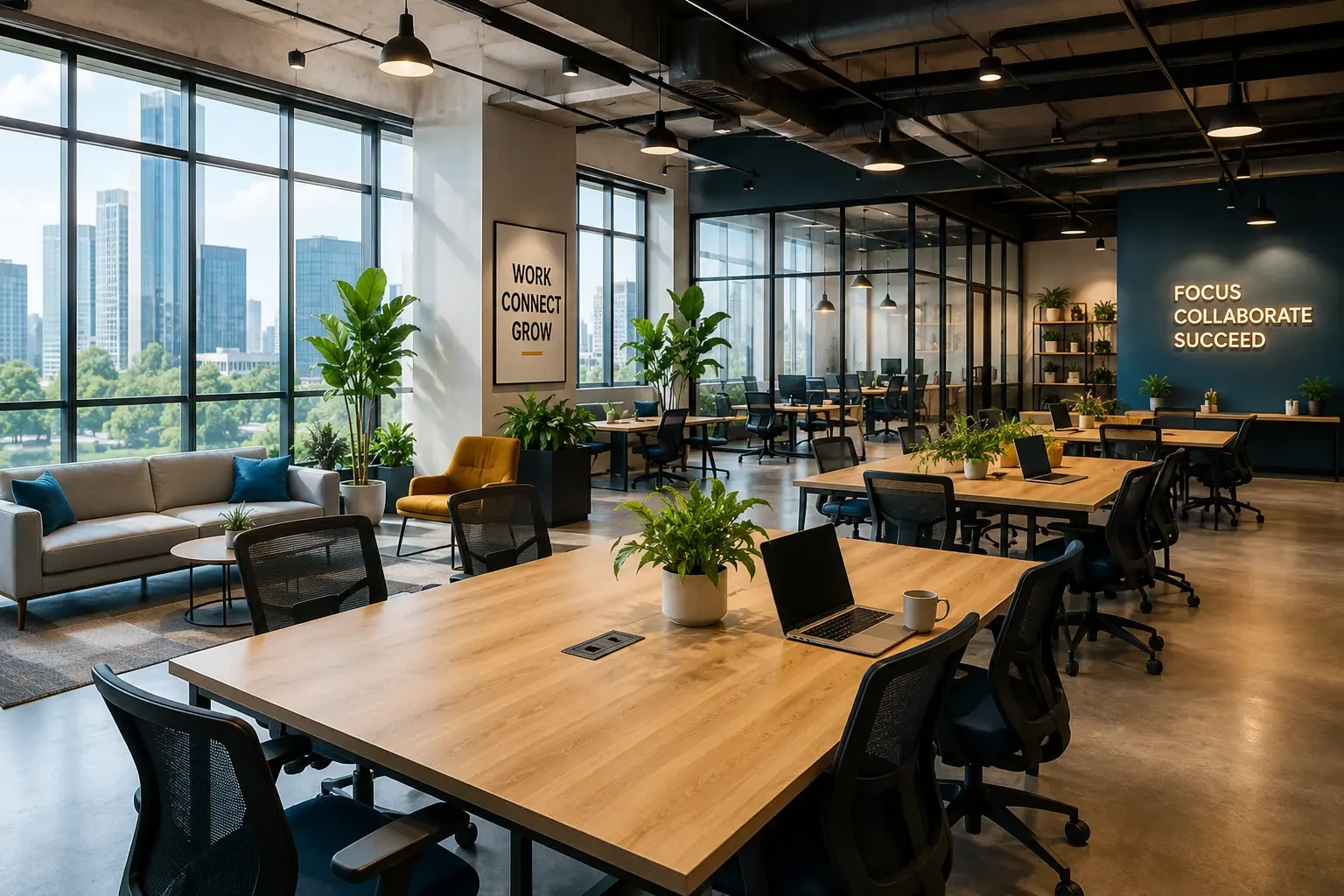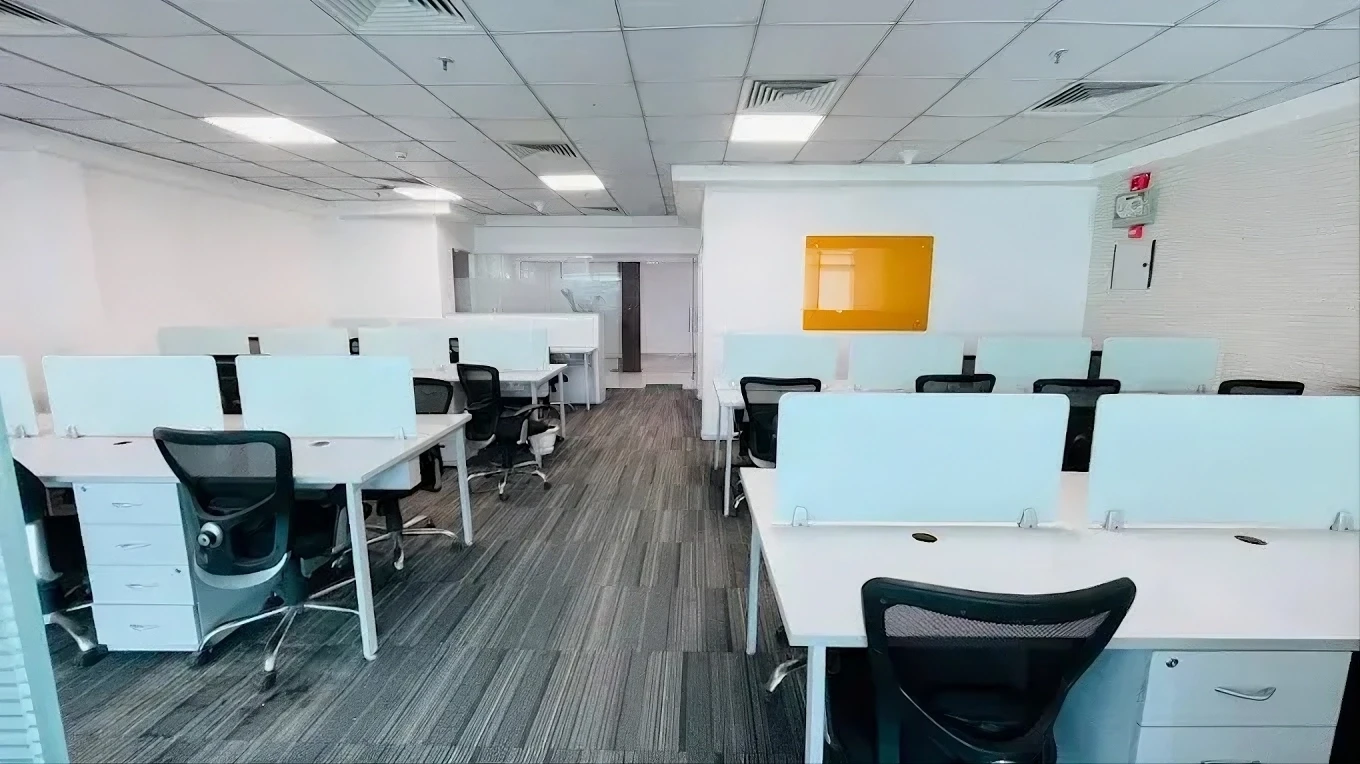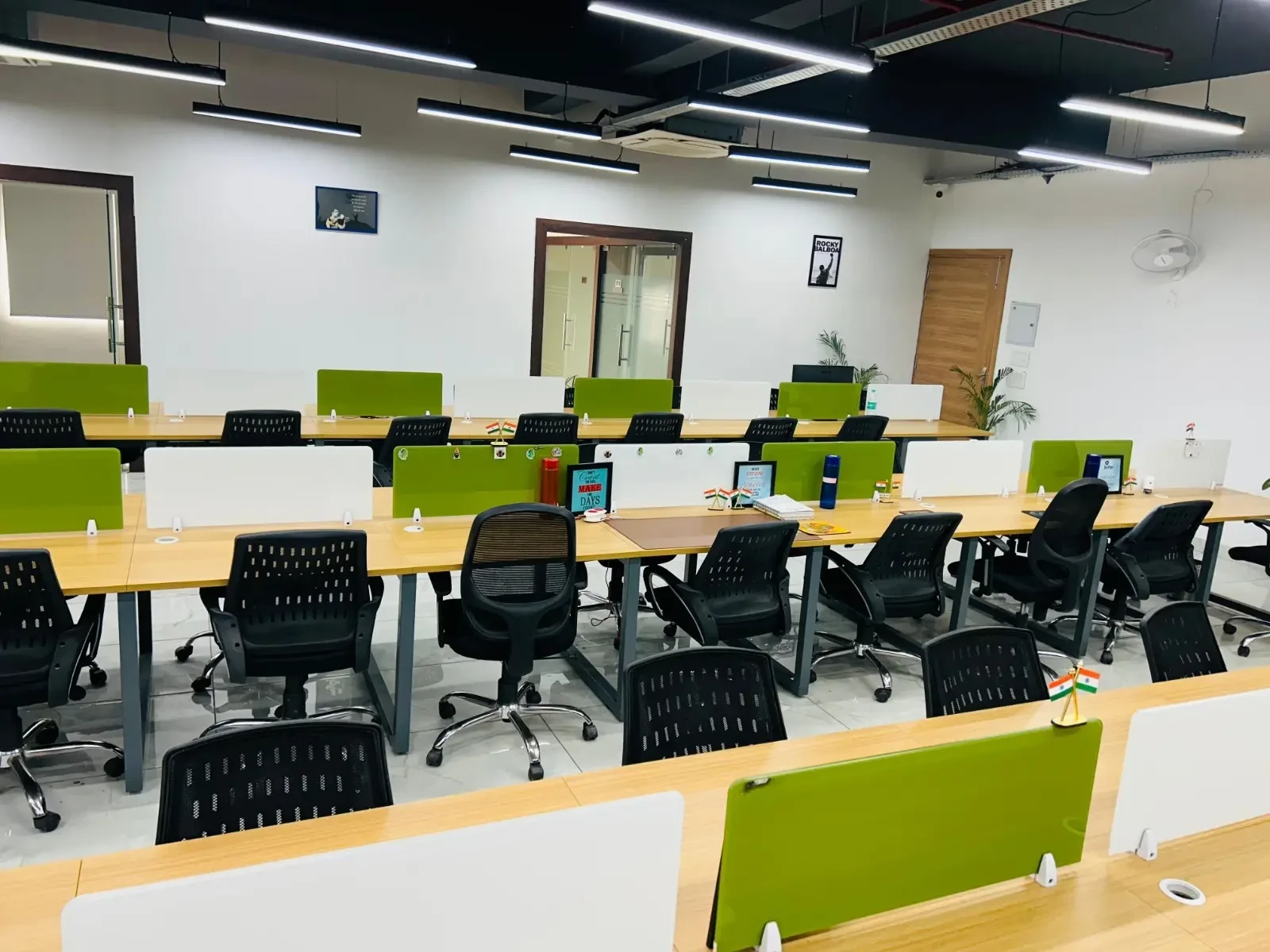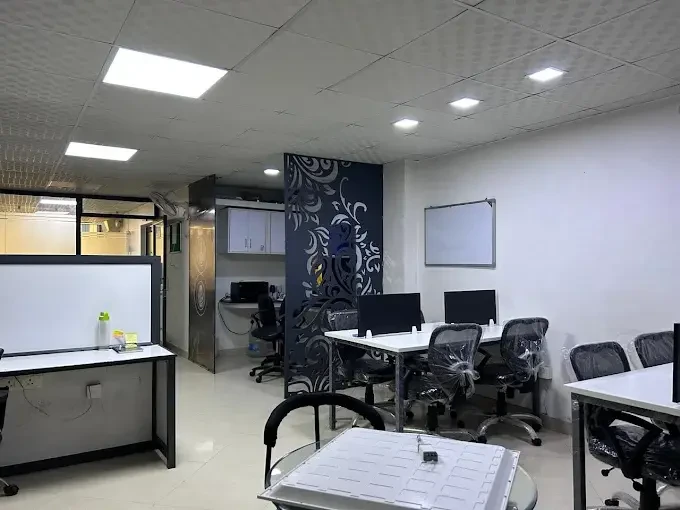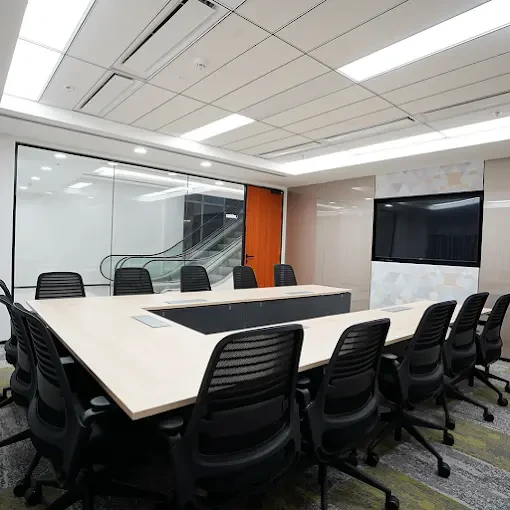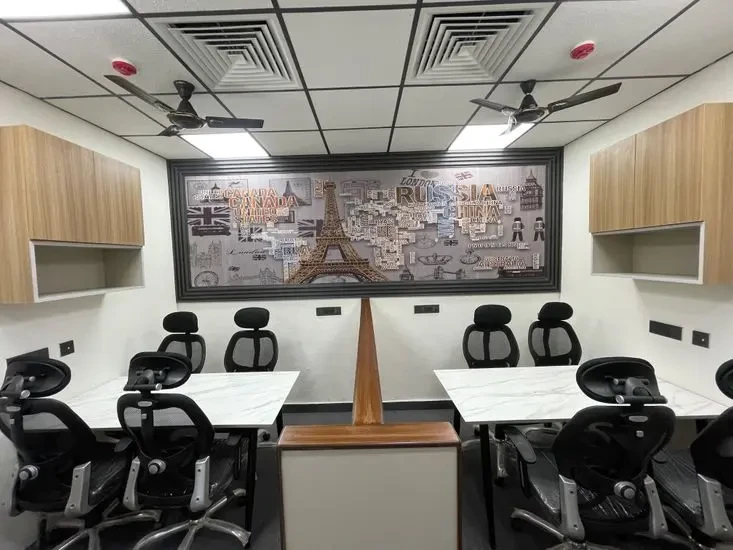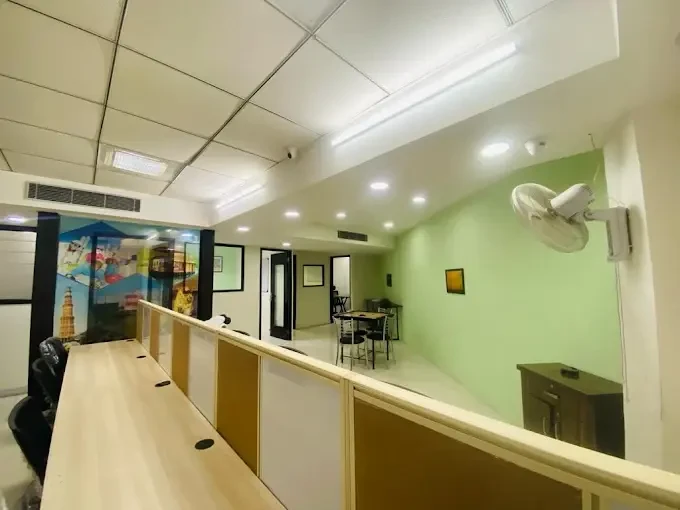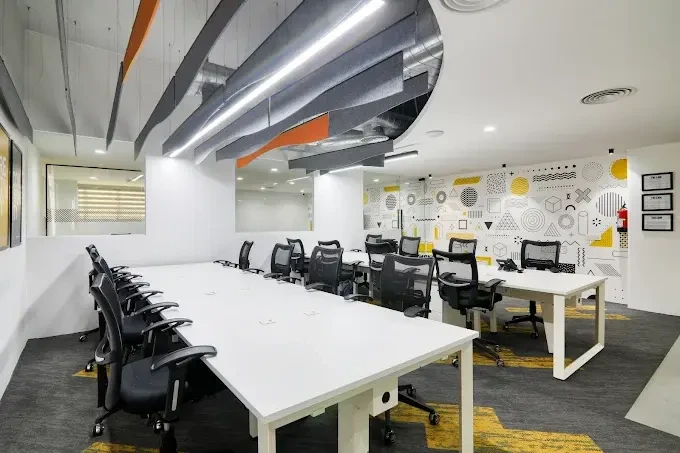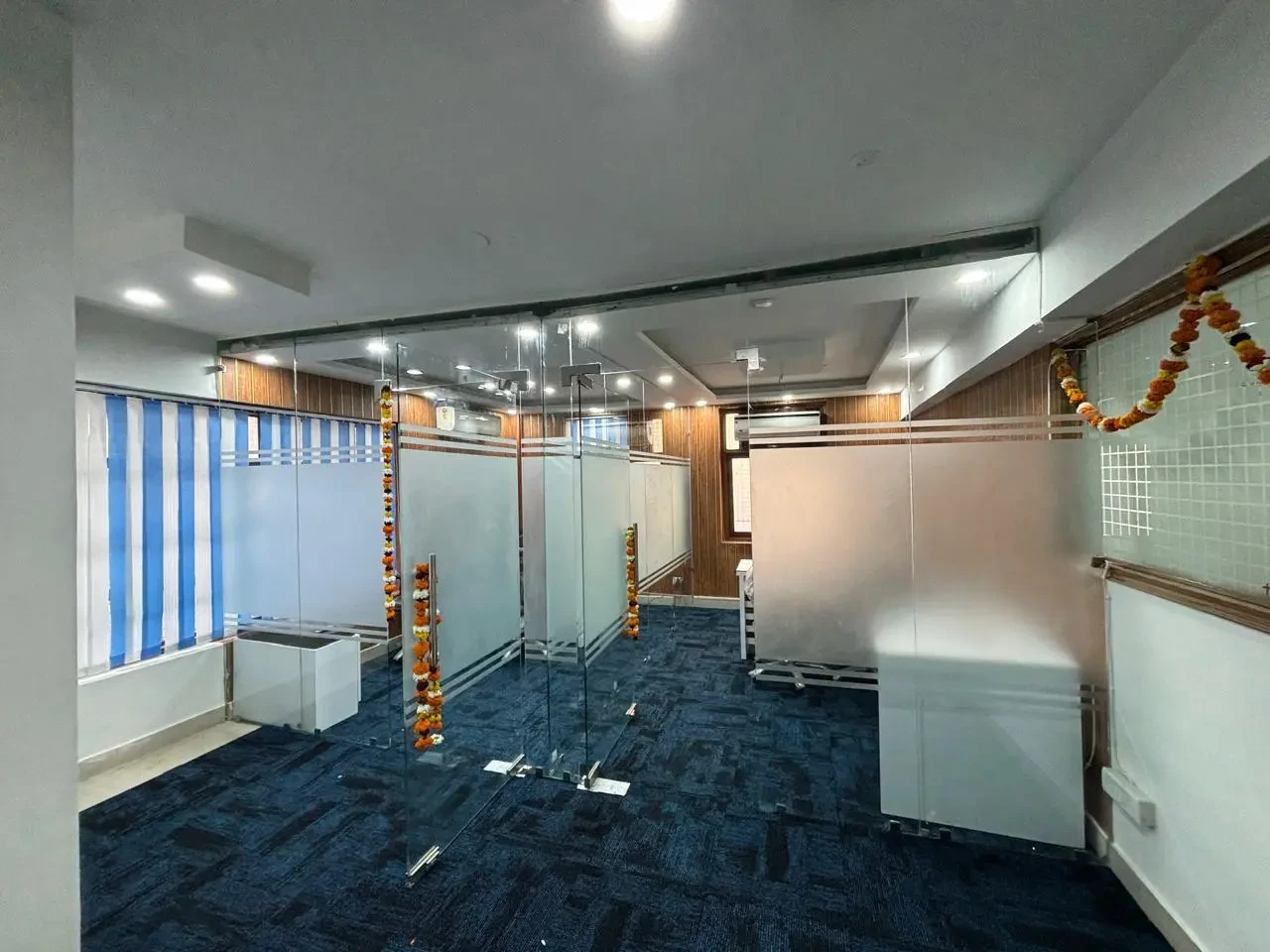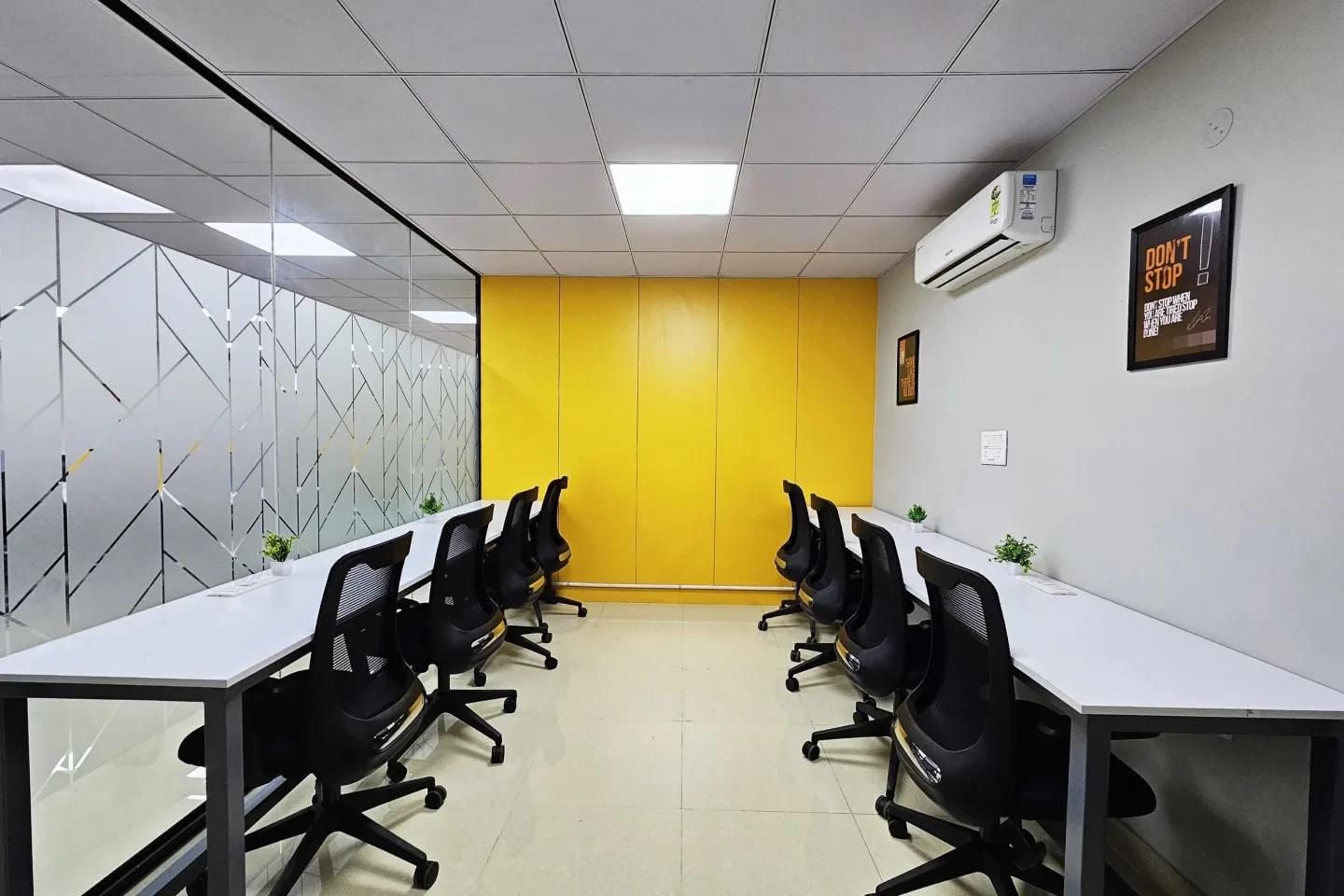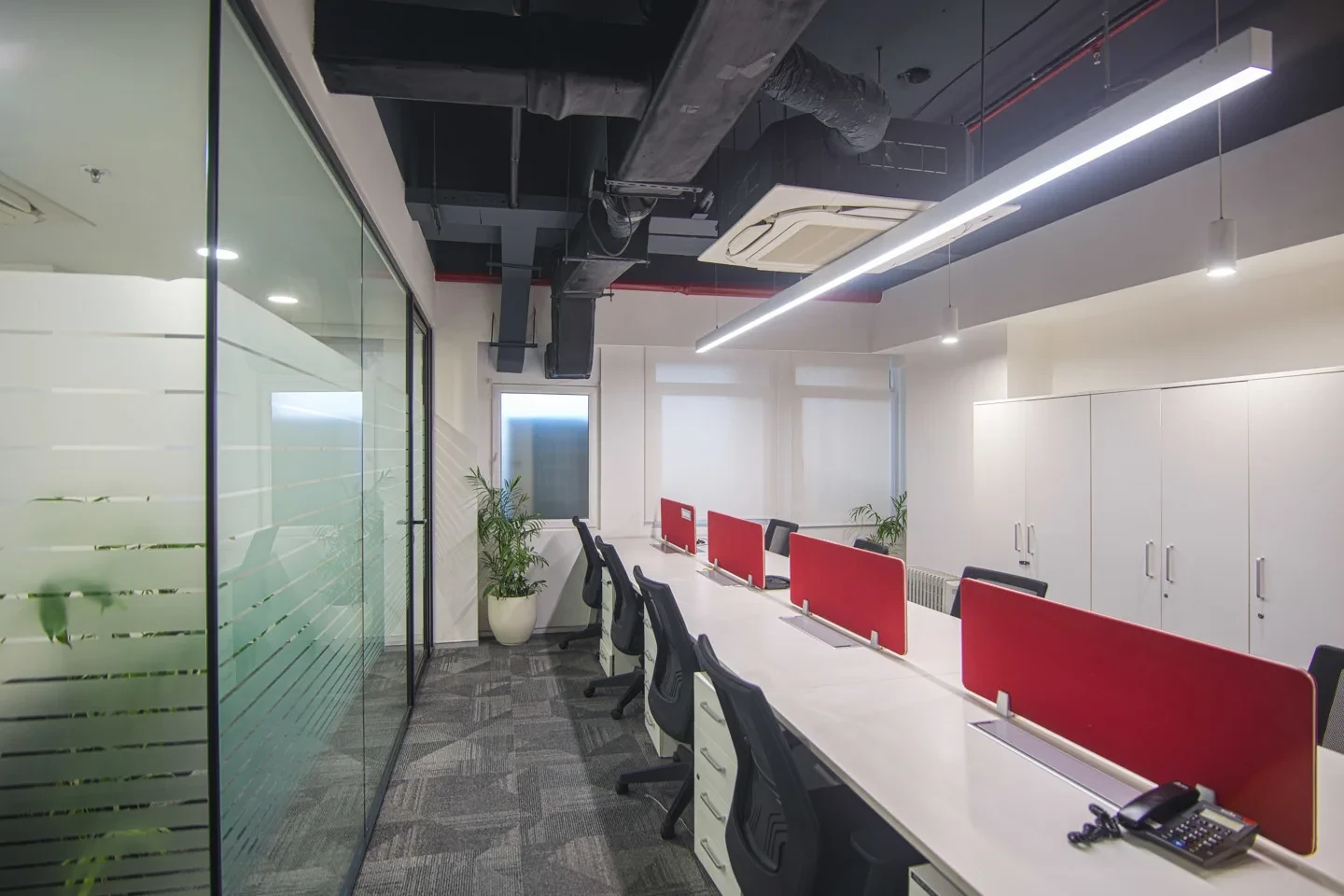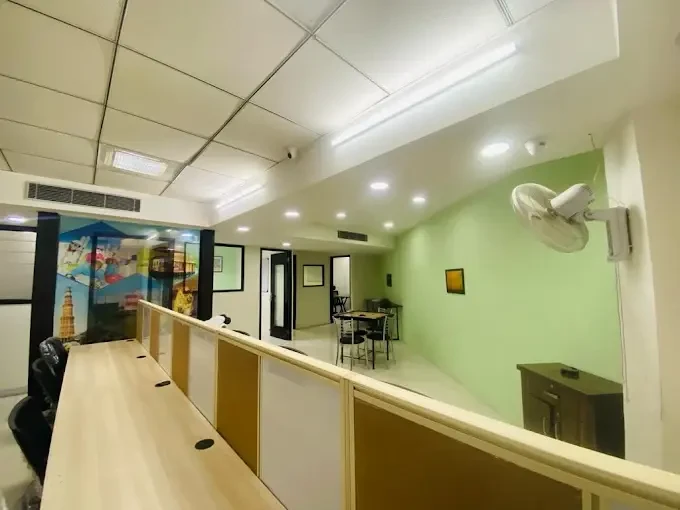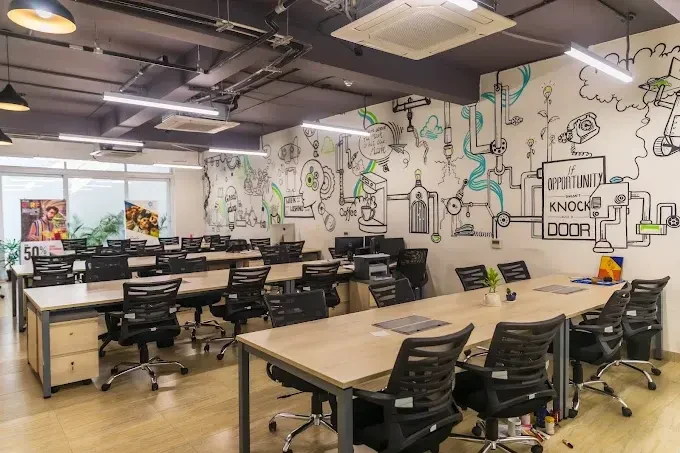
Design firms operate very differently from most other businesses. Their processes are heavily based on creativity and collaboration, require communication with clients, and involve working with different teams for different projects. Designers require workshops for the collaboration and interaction necessary for presenting and developing workable designs.
A traditional office space may not be able to support the rapidly changing requirements of contemporary design firms. Traditional office spaces require a great deal of money, a long-term contract commitment, and ongoing maintenance. These costs can be daunting for a growing firm trying to keep their primary focus on creativity.
Architecture and design firms are increasingly finding flexible workspaces to be a viable alternative. Flexible workspaces provide creative growth environments and offer a variety of choices for the type of workspace firms can use based on their current needs. Flexible workspaces even provide design firms with options for creative workspaces that are professional to help maintain a marketing presence and control costs.
Flexible workspaces include solutions such as shared offices, managed offices, coworking spaces, and virtual office options. Flexible workspaces offer the advantage of being able to provide businesses with a professional work environment without the requirements of a traditional office.
Flexible workspaces offer a dramatic difference over traditional offices in that the infrastructure is provided and ready for use so that a business can begin working immediately with no delay or additional expense involved with setting up, outfitting, or maintaining the office.
For one, workspaces outside traditional offices can eliminate many operational burdens for businesses, including:
Construction and installation of office interiors and furniture
Maintenance and repair
Utility bills
Long-term lease contracts
Work IT setup
Flex spaces offer businesses the ability to have:
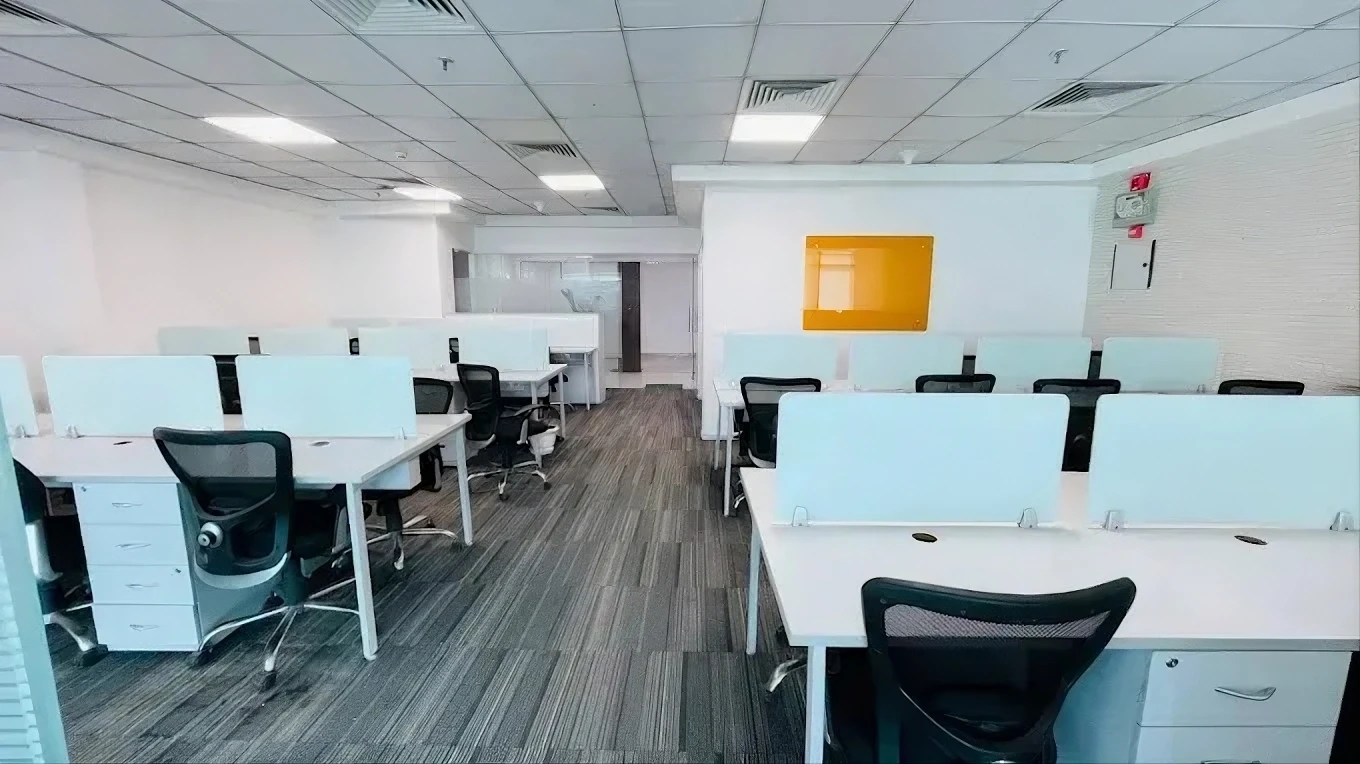
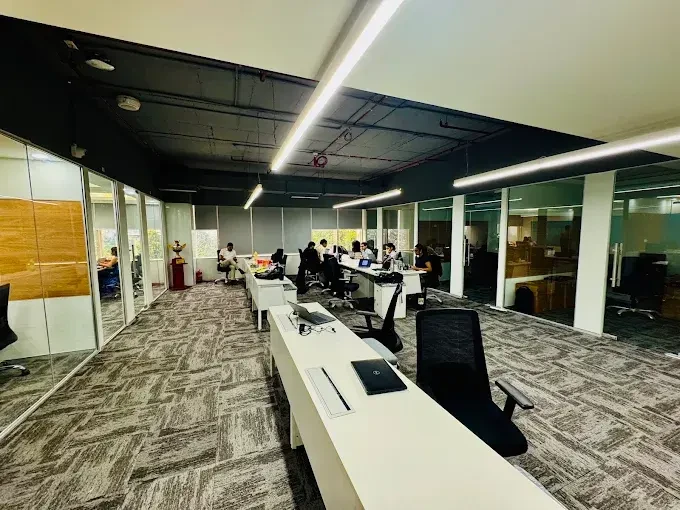
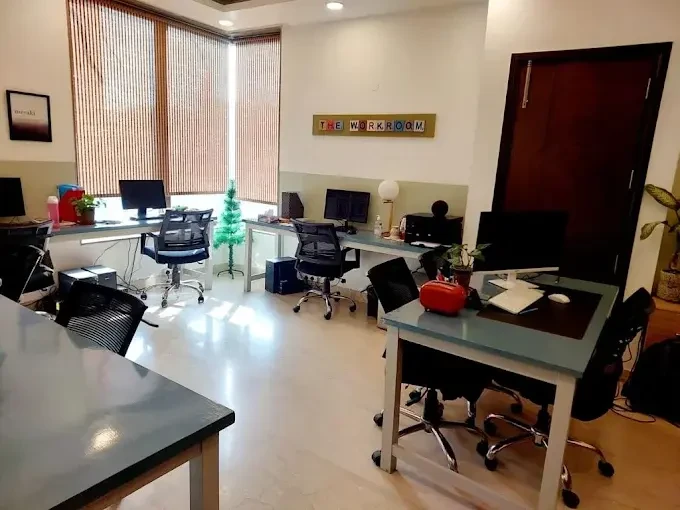
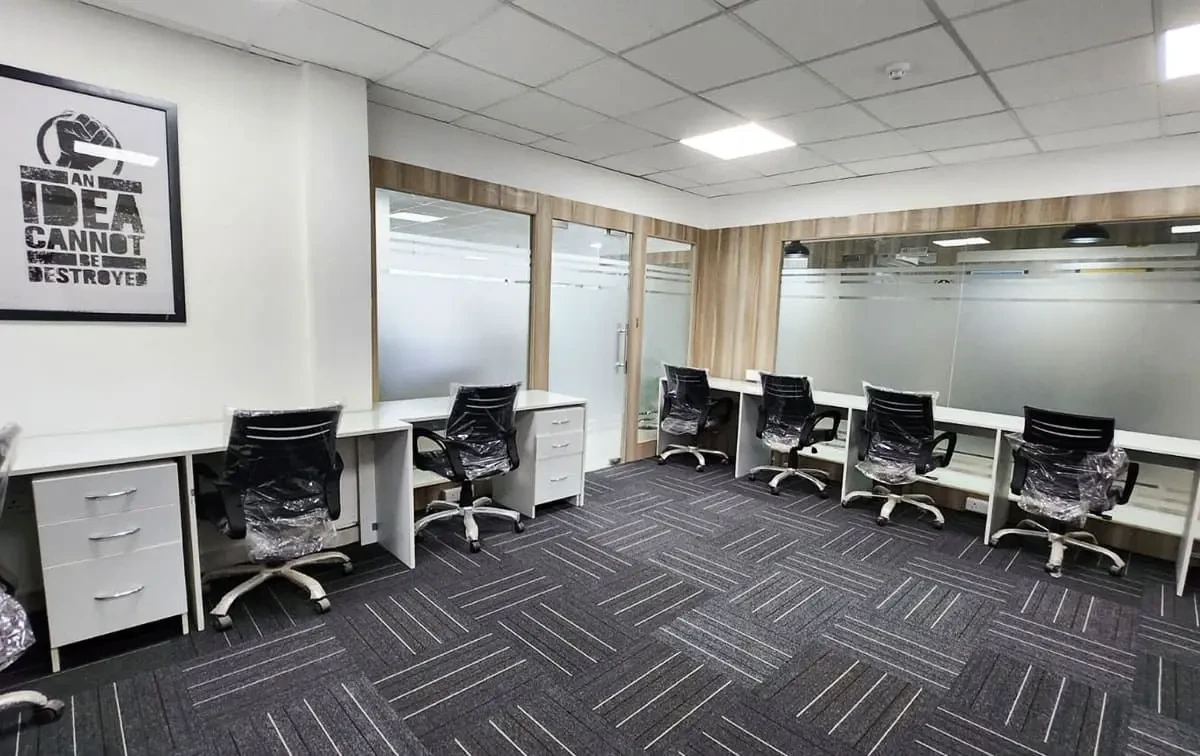
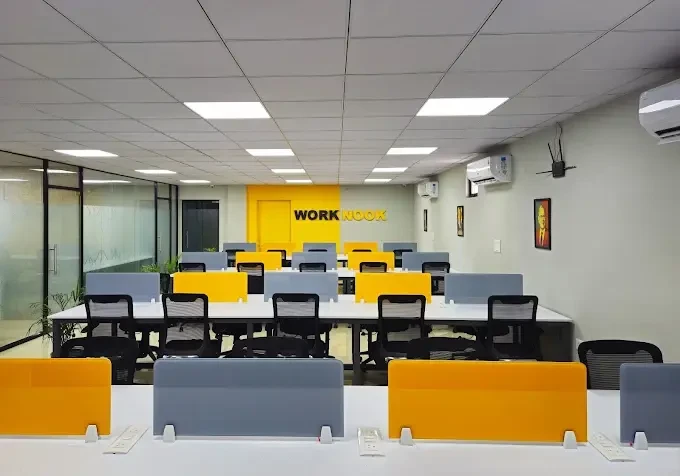
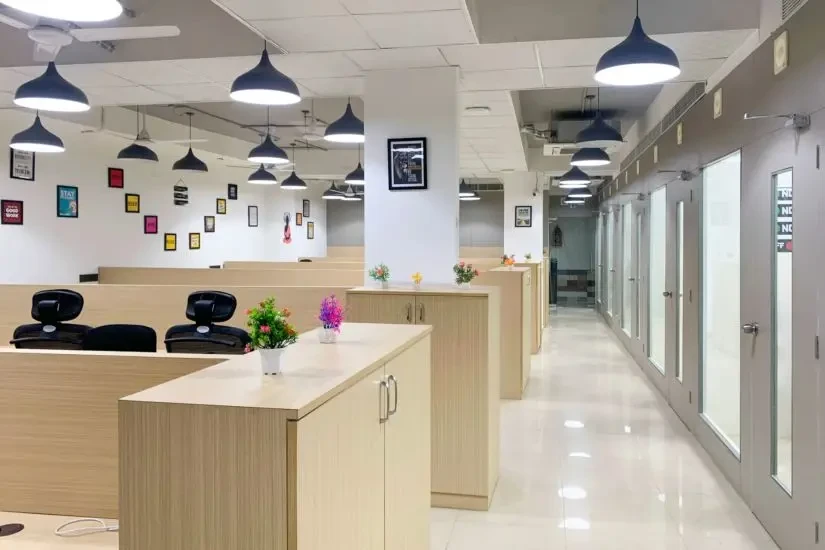
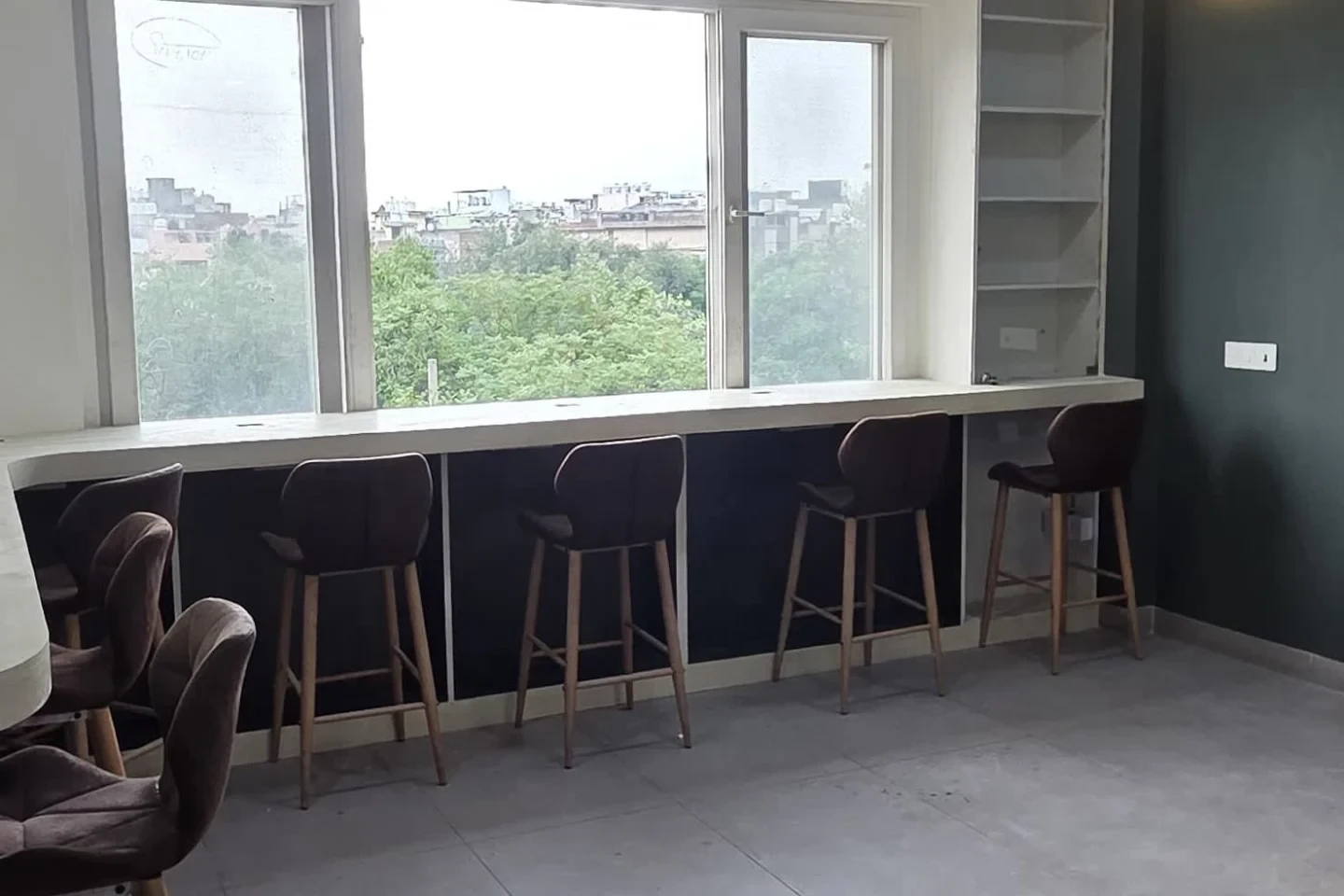
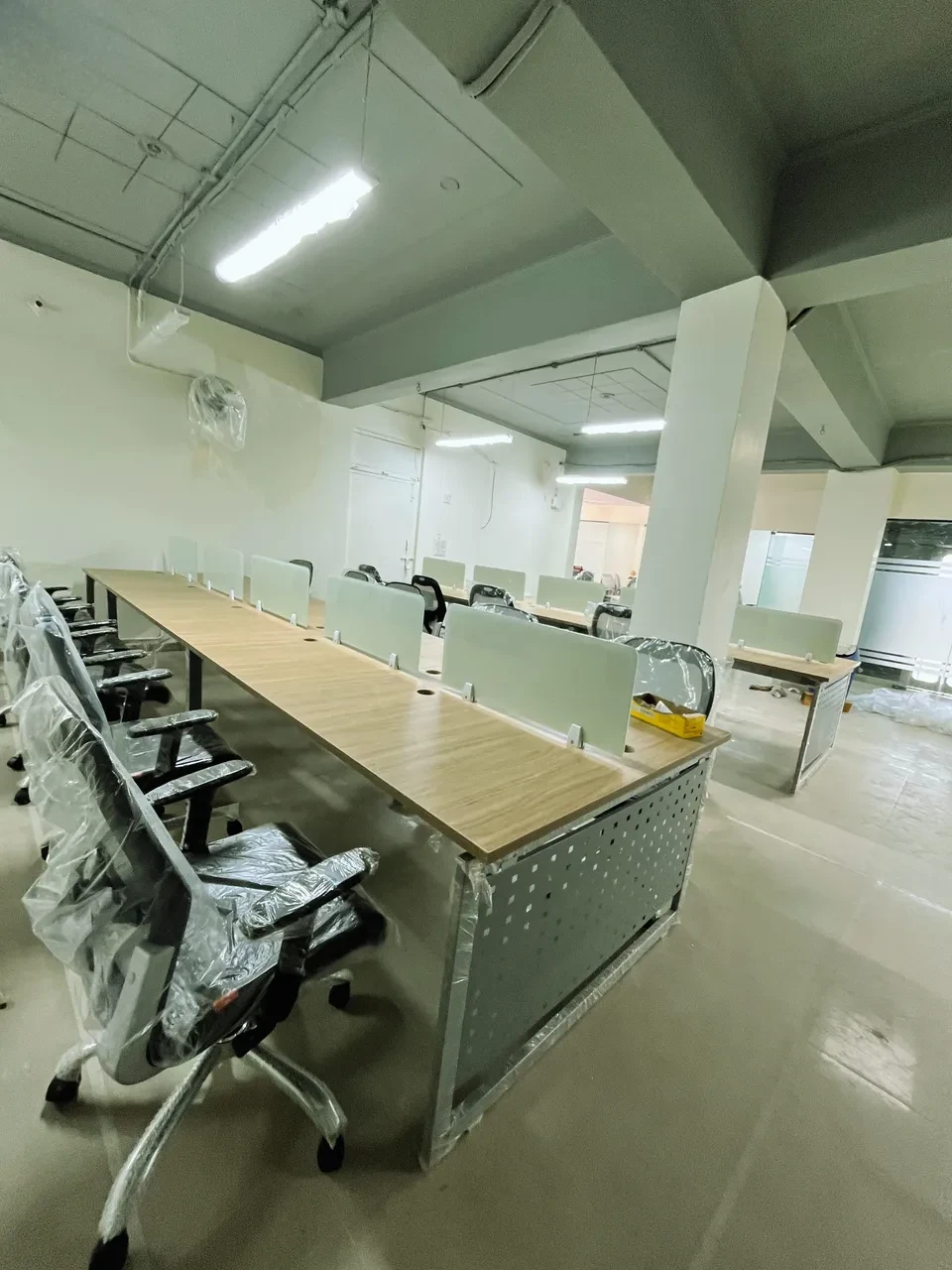
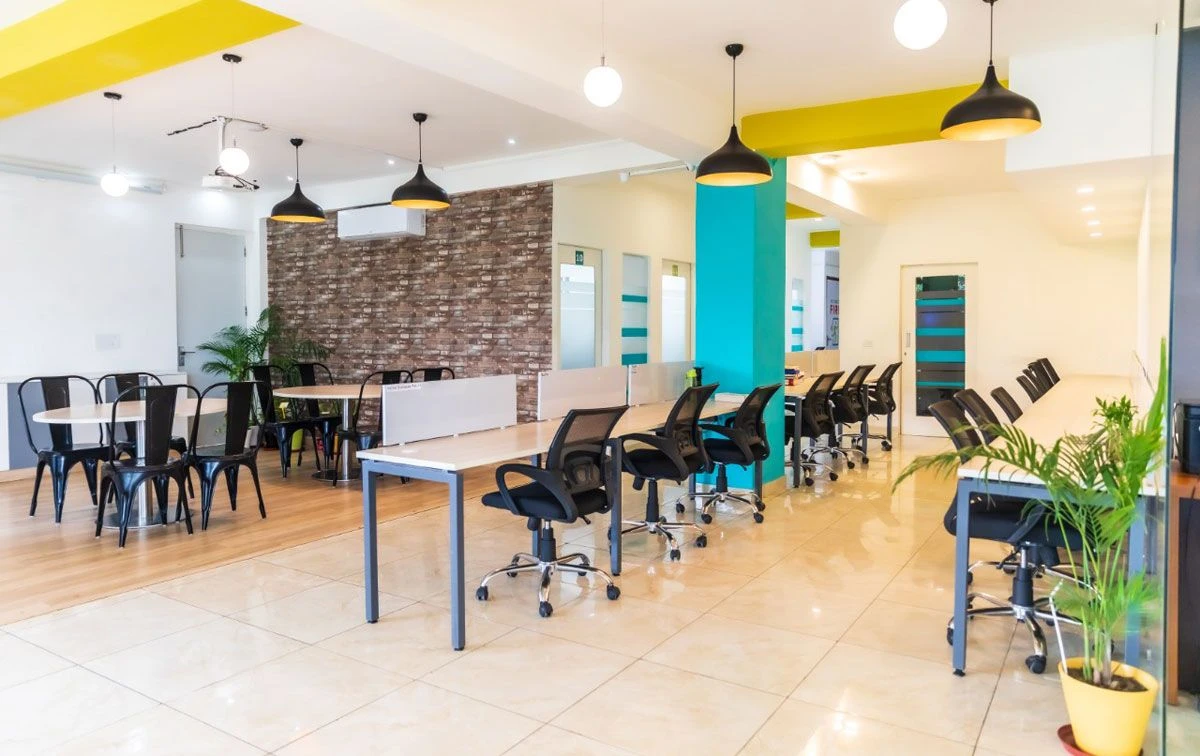
Workstations
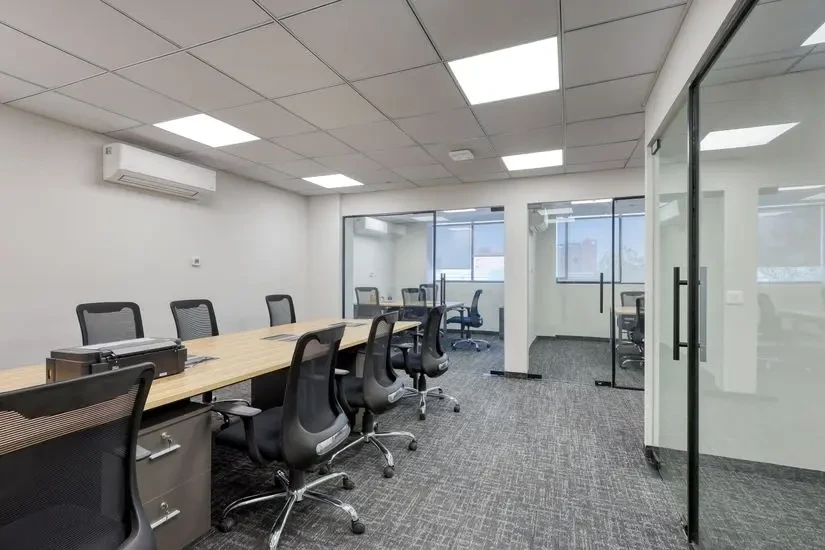
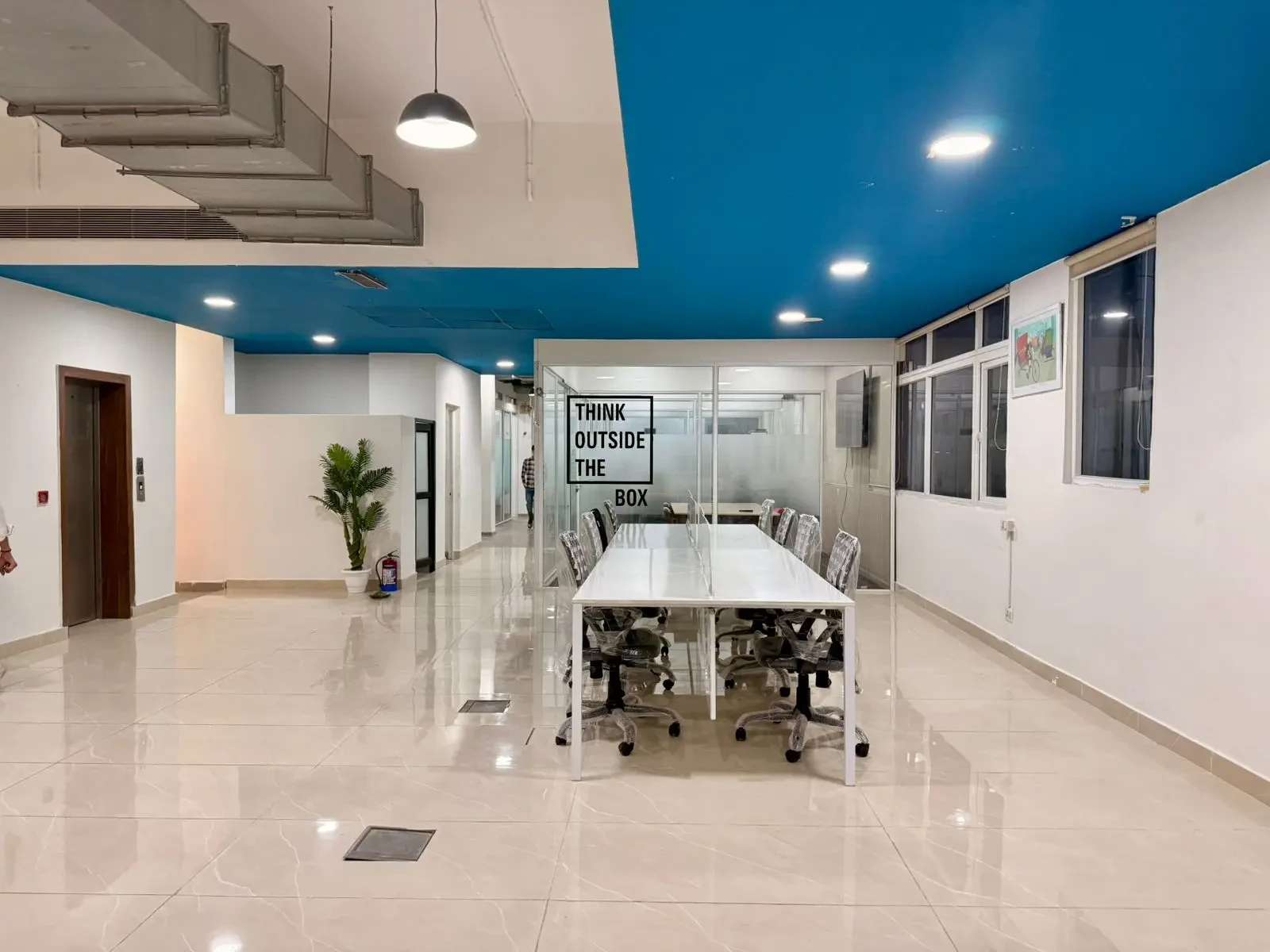
Conference spaces
Formal reception areas
High-speed work internet
Plans for membership of varying lengths
Services to assist business administration
For architecture and interiors firms, the flexibility of not having to run the office serves to free up time to manage the projects.
Flexible workspaces enable firms to expand or contract their workspaces to suit the needs of the projects for which design firms may need additional staff, designers, consultants, or even team up with freelancers.
Design firms can maintain a virtual business with a coworking space to form a business presence without the need for a permanent office. This option suits remote independent designers in new business locations.
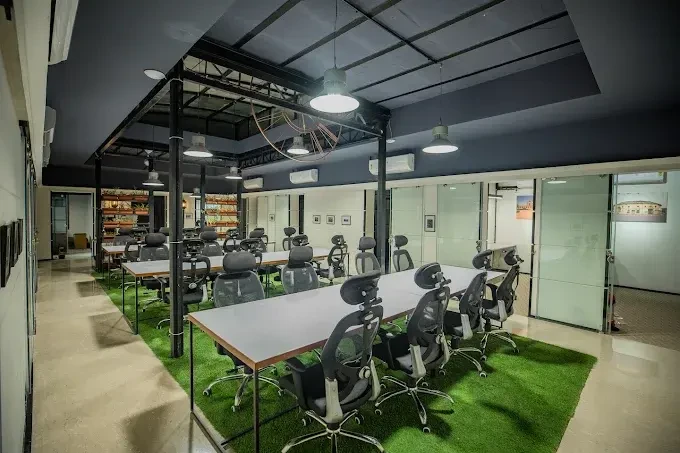
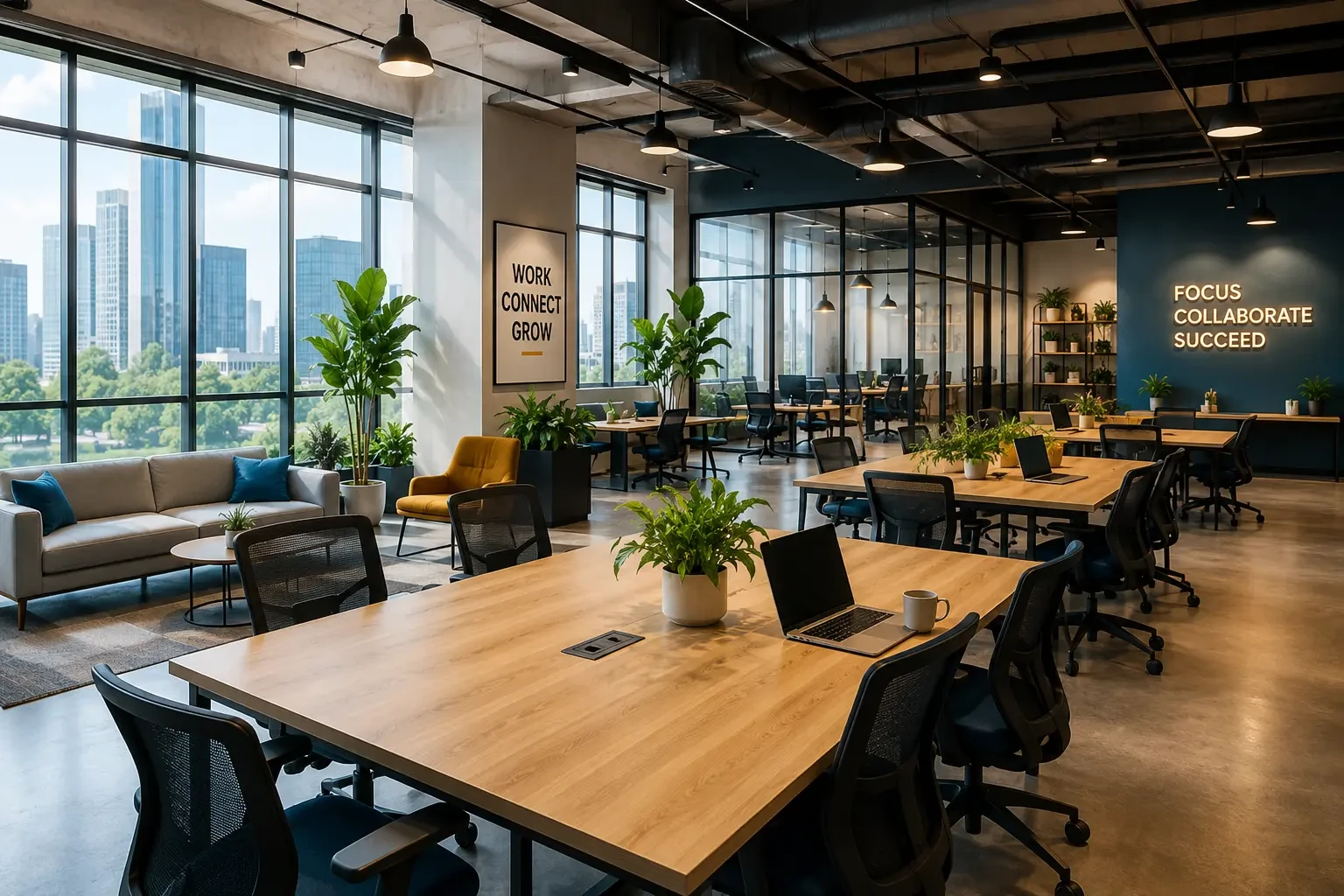
Creative teams of designers and Architects need offices that inspire and harness their creativity to support work and enhance collaboration.
Creative teams need spaces to support work collaboration. Traditional offices can feel restrictive due to fixed room layouts and isolated work areas.
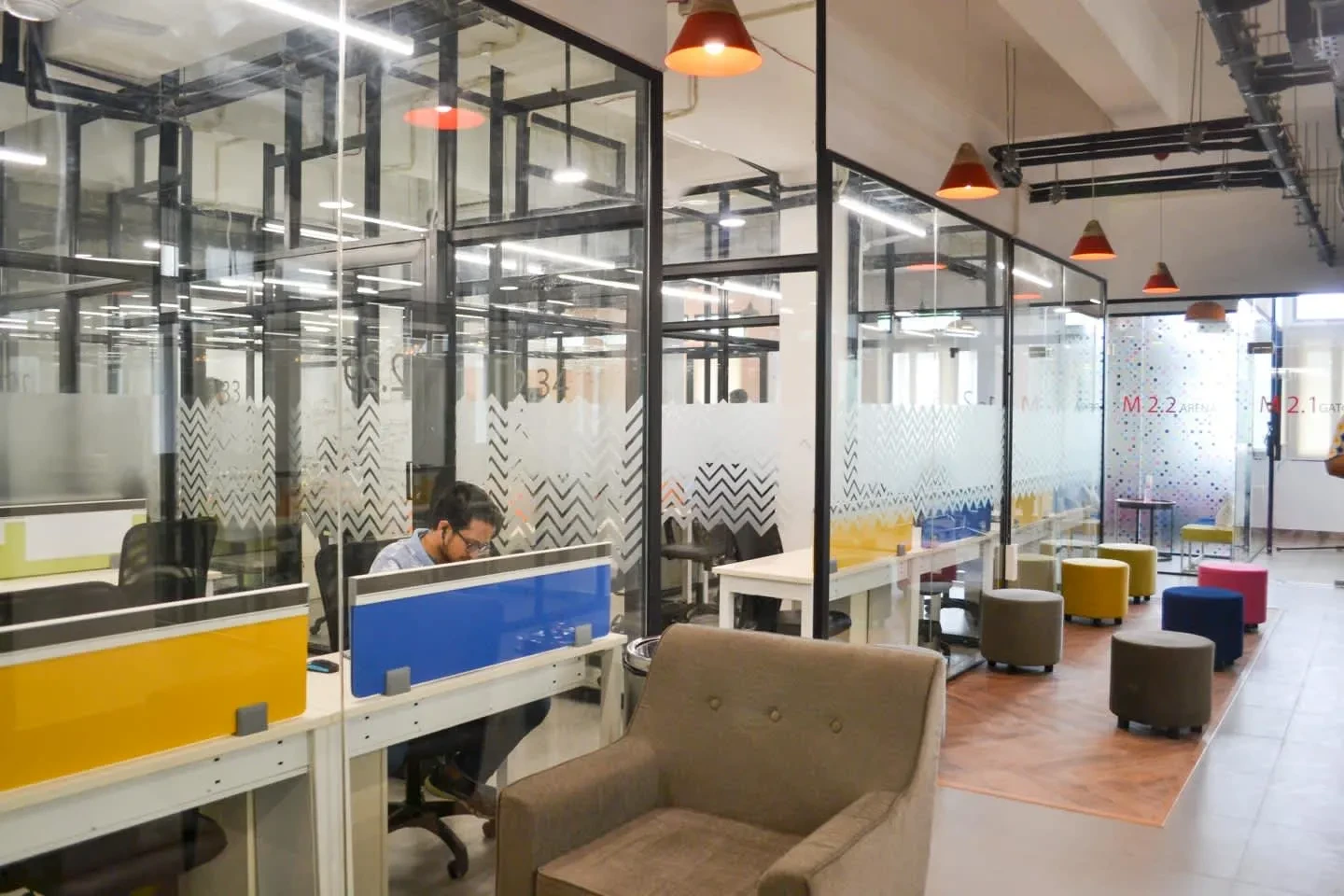
Coworking spaces provide continuous and shifting environments for professionals from various industries. This offers opportunities to network and work collaboratively.
Creativity can flourish in design firms due to:
Innovative environments
Varied seating arrangements
Different zones for informal talks
Connection opportunities with other design professionals
Intentional collaboration spaces
A design-centric coworking space retains the focus of designers and helps them gain new insights and perspectives.
For new and growing architecture firms, keeping costs low while maintaining high quality is one of the most significant issues they face.
A coworking space design will lead to savings for architecture firms. With this design, firms will have access to high quality professional space while keeping costs low.
Architecture and design firms can operate from a professional location in New Delhi, allowing effective cost control. This design affords new and small firms the ability to control their financial pressure while allowing them to create a substantial presence in the market.
Each firm can choose its own flexible design plan depending on the number of personnel employed and the nature of the work.
A flexible design office allows interior design firms to manage projects at various stages and to create the space necessary to accommodate the various personnel (including managers, designers, project and design consultants) that may be required for each project.
Presentation of designs and layouts to clients is essential to the success of most architecture and interior design businesses. Design firms need space to conduct meetings and to present designs and layouts in a professional and comfortable setting.
A flexible design office provides the space and services needed to accomplish these requirements.
The demand of different projects may cause your team to fluctuate. With a flexible workspace, companies can grow their teams with the ability to move to a different location, less frequently.
During busy times, companies can rent a bigger space and have the ability to modify it later. This allows a company to manage their work space budget better.
A virtual office allows professional addresses and office services without the need for a physical office.
Many architecture firms develop relationships with remote teams, freelancers and consultants. A virtual office allows these firms to flex while still having an identity.
Virtual offices offer:
An address
Handling of mails and communication
Access to meeting rooms
Enhanced credibility of the business
Remote operations support
The Virtual Office in Delhi offers design firms the opportunity to gain presence in a major business location without the expense of a full office.
This is a good opportunity for independent designers, start-ups and firms that are establishing presence in new markets.
Flexible workspace solutions from virtual offices allow interior design and architecture firms to easily access new markets.
A Virtual Office in Gurgaon allows firms to gain a professional presence in one of the top business district.
This supports firms that want to:
Access corporate clients
Enhance credibility in the market
Have presence of business identity
Resume operations without a fixed office
This is an ideal solution for design firms having project presence in multiple locations.
A Virtual Office in Greater Noida allows developing design firms to gain presence of professionalism in a new business location.
This offers firms the ability to:
Have a business identity
Support remote teams
Flexible operations
This option allows firms to expand their business without incurring the expense required for fixed offices.
Workspace choices can impact both your productivity and the experience of your clients. Here are some considerations for design firms when choosing workspace options.
Ample Space for Workstations
Designers often work with large files and drawings. An efficient workspace can boost firm productivity.
Meeting Spaces and Client Areas
Separate meeting spaces are essential for firms to conduct client presentations.
Reliability of High-Speed Internet
High-speed internet is essential for digital design tools and online project collaborations.
Professional Reception Area
A reception area is essential for clients and visitors.
Security and Accessibility
A workspace that offers flexibility in access, and is conveniently located with a good working environment is optimal.
Finding flexible work solutions that satisfy budget, location, and style needs is not easy for growing firms in architecture and interior design.
TheLeaseCircle customized solutions to help firms discover flexible workspace options to meet their dynamic business requirements. It helps freelancers and start-up and established companies to find their most appropriate workspace solutions.
Choices centered around a workspace and guidance toward specific locations help firms make more informed decisions during the planning of their business expansion.
The rapid evolution of the creative industries requires a new kind of workspace from firms like architecture and interior design.
The requirement for a more flexible workspace has resulted in an increased demand for both coworking spaces and virtual offices.
The key elements of the workspaces of the future will include:
The integration of flexible work practices
The design of collaborative work environments
The smart office technology
The lived experience of employees in the workplace
Operational cost efficiency for the organization
For the creative industry, flexible workspaces allow firms to be responsive to the needs of evolving business practices.
The creative work of architecture and interior design requires workspace that combines flexibility and balance. Co-working spaces provide an optimal space for design teams, while virtual offices provide the necessary professional space at a low cost.
Flexible spaces provide the necessary support whether a firm requires a collaborative work space, or a professional business address.
Why do architecture firms like coworking spaces?
Because coworking spaces combine flexibility, work professional space, a creative work environment, and low setup cost for office, architecture firms prefer coworking spaces.
Are co-working spaces good for interior designers?
Co-working spaces are good for interior designers. They have professional meeting rooms and provide flexible work spaces and spaces for collaboration.
How does a virtual office benefit design companies?
A virtual office benefits design companies by providing the option for a business address, controlling communications, and offering access to meeting rooms, all without the expense of a full office.
What is the best co-working location for an architecture firm?
The best co-working location is based on the needs of the clients and the goals of the business. Areas such as Delhi, Gurgaon, Noida, and Greater Noida have good business connectivity.
Can small design companies use a virtual office?
Yes. Small design companies can use a virtual office to gain a professional business presence and to lower costs, which in turn, helps build the company.
What amenities do architecture firms need in a work space?
Architecture firms need a work space with large work areas, meeting rooms, a good internet connection, professional reception, security, and good accessibility.
Whether you’re looking for a coworking space, virtual office, shared office, meeting room, or commercial office solution, Lease Circle helps you find the right space faster.